
I Was Finally on Netflix. Now What?

“My acting career was finally taking off. So why did I feel so … meh?”

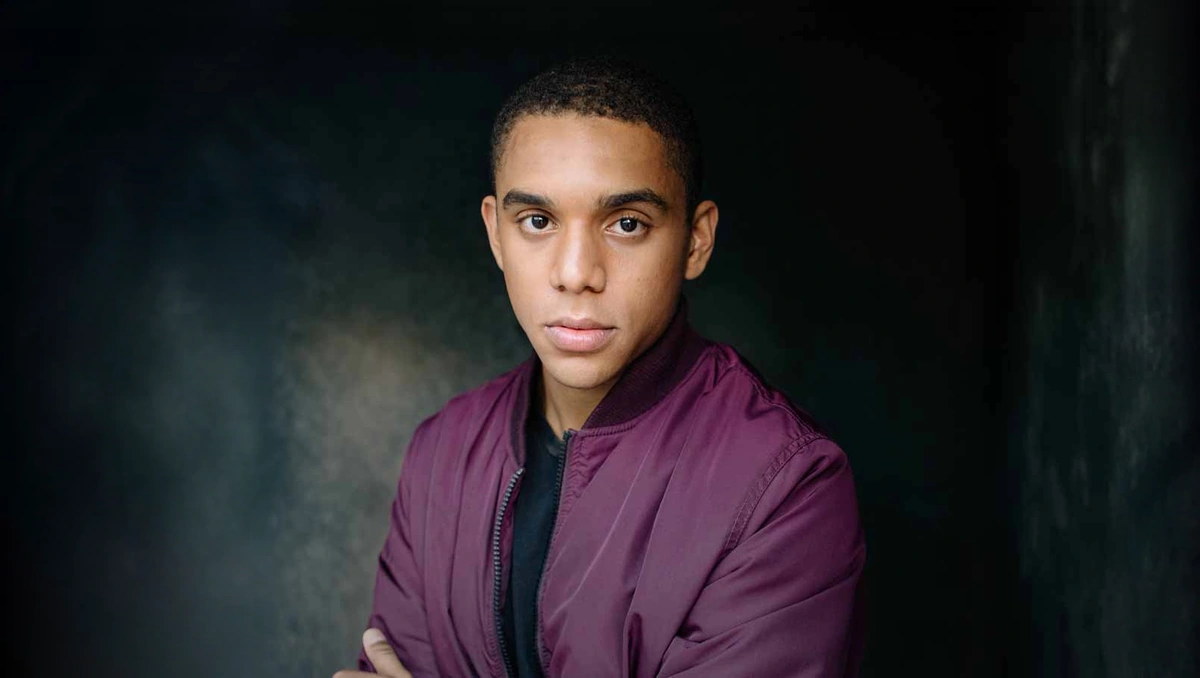
I didn’t pray because I wanted God. I prayed because I wanted an acting job.
A good one, specifically. I was living in Vancouver, trying to build a career in film and television, and I’d recently gotten my first real taste of success. After a year and a half without booking anything, I’d landed a small role in a major American TV production. Then, within a couple of weeks, I booked another show—a recurring role that bordered on series regular. It was exactly the kind of thing I had been working toward since I was a teenager. And it felt … fine. That was the problem.
The Thing I Thought I Wanted
I’d taken acting seriously since I was about 15: improv classes, scene study, private coaching, auditions. By 16, I’d signed with a top Canadian talent agent, and before long, I was landing small speaking roles on television. Acting wasn’t just something I loved. Increasingly, it was the measuring stick I used for success in my life. Was I booking? Was my IMDb ranking going up? Did I feel good about my performance? Was my next role in the works? If the answers were “yes,” life was good. If any were “no,” life wasn’t good, and neither was my mental health.
I needed a stabilizing force, but it certainly wasn’t religion. I grew up with a little bit of everything and not much conviction about any of it. My Jewish side gave me Passover, Rosh Hashanah, and Hanukkah. I was actually the one to convince my family to begin observing Shabbat dinners after I learned about them at my secular-humanist shul. My Jamaican grandparents gave me Christmas, Easter, and the occasional (reluctant) trip to church. Mostly, though, I was a secular Jewish kid thinking about friends, partying, music, hooking up, television, and my future fame.
When I did eventually become interested in something spiritual, I didn’t exactly head for shul. I started with the law of attraction. I explored astrology, met with psychics, and developed what I thought were my own psychic abilities. I went deep down the rabbit hole, watching videos about necromancy and experimenting with channeling spirits through writing.
I wasn’t simply reading horoscopes for fun; I was having experiences that convinced me there really was something beyond the material world.
And it felt real. I wasn’t simply reading horoscopes for fun; I was having experiences that convinced me there really was something beyond the material world. Sometimes while watching videos about tarot or communicating with the dead, I’d get an overwhelming sense that I needed to turn them off. It felt almost like a quiet voice in my head warning me: You shouldn’t be doing this. I didn't know what to make of that voice quite yet, but I made note of it.
When Getting It Isn’t Enough
Eventually, I moved to Vancouver for a fresh start and another shot at my career. But after years of small roles, auditions, and disappointments, I got cast in two separate TV shows. I had finally gotten enough of what I wanted to test the theory I’d been living by: If this works out, I’ll be happy.
It worked out. I wasn’t.
I still loved acting and the creative process, but alongside the excitement was this strange numbness. I was so surprised—I had trekked long and hard and the destination felt like disappointment.
I called my grandfather back in Ontario to tell him how well things were going and thanked him for being someone I could look up to. Instead of simply congratulating me, he responded with something about grass fading and flowers withering. At the time, I didn’t know exactly what he was referring to. Years later, after becoming much more familiar with the Hebrew Bible, I realized he may have been quoting Isaiah: “The grass withers, the flower fades, but the word of our God will stand forever” (40:8). Not exactly the congratulatory speech an ambitious young actor expects. But I certainly remembered it.

The Worst Bargain Ever Offered to God
Soon enough, filming ended for both shows’ seasons. I was back to auditioning, back to waiting, and back to wondering what was next. Going from “I’m on a show” to scrambling for the next job exposed just how much of my identity had become attached to my career. So eventually, despite having had very little interest in God up to this point, I decided to pray. I knelt beside my bed in my basement apartment and asked God to give me another solid recurring television role. Then I sweetened the deal: if God would give me the role, I promised I’d send thousands of dollars to my younger cousins to help pay their university tuition. There were four of them, after all, and tuition is expensive. Look how generous I was prepared to be in return for the acting job I wanted God to give me!
If God would give me the role, I promised I’d send thousands of dollars to my younger cousins.
The funny thing is, in that moment, I wasn’t actually looking for God. I didn’t necessarily even want to hear him respond back or engage with me; I just wanted my next role. I was in a valley again, seeking the next higher peak.
Some time after that prayer, I was sitting on my couch when I suddenly had the same sense of communication I’d experienced before: a small, quiet voice. But the message was anything but small. I felt God say, “Your emotional life is a roller coaster because acting has been your god. Any money, assets, recognition, or artistic satisfaction will fade away. I, God, am the only One that’s Eternal.”
Suddenly, my grandfather’s strange little speech about grass and flowers made a lot more sense.
My Own Golden Calf
It was a brutal message, but one I desperately needed to hear. My entire hierarchy of values abruptly flipped. It wasn’t only a spiritual realization; philosophically, it made sense to me. I had handed something temporary an enormous amount of power. Whether I felt whole or miserable depended on whether I was booking jobs or gaining recognition. I still loved acting, but I began to see that I had asked it to do something it could never actually do: tell me who I was and fulfill me.
When both shows I’d worked on contacted my agent about bringing me back for their second seasons, I turned them down. By then, I had started reading Scripture for myself, including something I’d never imagined becoming particularly interested in: the New Testament. The more I read, the more convinced I became that Yeshua was someone I actually had to reckon with as a Jewish person. I didn’t walk away from those roles because I suddenly thought acting was evil or because my love for the craft disappeared. It was because I had followed in the unfortunate footsteps of my ancestors and made a golden calf out of acting, allowing it to occupy a space in my life that could only be filled by something permanent.
Apparently, my departure from one of the shows even became a point of discussion on set. An actress later mentioned the interaction: “Hey, where’s Aaron?” “Oh, he went off to follow Jesus.”
Subtle. But, to be fair, they weren’t wrong.
Back to the Beginning
There was one particularly unexpected consequence of believing in Yeshua: I started becoming more interested in being Jewish. For years, my Judaism had just meant family, holidays, food, and culture. Now I found myself actually reading Torah and learning the stories behind the traditions I had grown up with. Somewhere along the way, I started recognizing myself in those stories.
Now I don’t just eat a Seder meal. I see myself in the story of my ancestors, the ones who physically fled Egypt but had a hard time truly leaving it behind. Freedom can come quickly; learning how to live in that freedom takes considerably longer. My own version of Egypt looked much less dramatic—it was an endless cycle of auditions, IMDb ratings, and the intoxicating possibility that maybe the next job would finally make me feel like I had arrived.
My newfound faith didn’t mean my creative passion suddenly dissipated. In fact, I still appreciate media and what a powerful communication tool it is. And I’m grateful that I can use some of what I learned during those years in the work I do now (make sure you check out the Inherit Podcast I co-host). But I’ve gotten off the roller coaster.
Like our ancestors leaving Egypt, I’ve learned that walking away from something is sometimes only the beginning; it can take much longer to get that thing out of you. I’m still learning what that kind of freedom looks like. These days, I’m less interested in getting the next role and much more interested in who I’m becoming without it.

Introducing the Inherit Podcast
Join us for deeper conversations and behind-the-scenes insights into the articles and authors shaping Inherit.

Endnotes
Meet The Editor


